Genuine trademark use in EU – Lessons from the Airbnb

Genuine Use Matters: Lessons from the Airbnb v. EUIPO Case

Airbnb Case: A Cautionary Tale

Airbnb registered its EU trademark for a wide range of services across Classes 35, 36, 38, 39, 41, and 43.

When challenged by Airtasker Pty Ltd, EUIPO’s Cancellation Division revoked protection for many services.

On appeal, the General Court ruled:

  • ✅ Trademark protection retained for Class 36 services (reviews & feedback about real estate listings, social networking).
  • ❌ Revocation upheld for broader services (advertising, payment processing, cultural activities, travel, etc.).

Key Takeaway:

Only services with concrete, well-documented market use survived.

Why This Matters

Owning a trademark in the EU is not enough. To retain protection, owners must prove genuine, consistent commercial use.

The recent decision in Airbnb, Inc. v. EUIPO Case highlights what courts expect when assessing “genuine use” – and the serious consequences if proof is lacking.

What Counts as “Genuine Use”?

To be valid, use must be:

  • Real, substantial, and consistent – not symbolic.
  • Distinctive– identifying goods/services as registered.
  • Market-oriented – directed at creating/maintaining market share.

Common Evidence Includes:

  • Sales invoices & order records
  • Catalogues, product brochures
  • Promotional materials, marketing spend records
  • Website data, e-commerce extracts, visitor stats

Tip: Evidence must be dated, geographically relevant, and verifiable. Screenshots or URLs alone won’t suffice.

Lessons for Trademark Owners

  • Don’t Over-Claim – Register only for goods/services you truly plan to use.
  • Keep Records – Maintain a portfolio of invoices, catalogues, ads, and digital activity logs.
  • Think Long-Term – Evidence must span at least five years; keep continuous documentation.
  • Be Market-Specific – Evidence must show real commercial engagement in the EU.
  • Act Proactively – Audit your trademark portfolio regularly to avoid vulnerability.

How can Accolade IP help?

We help clients safeguard trademarks with evidence strategies that stand up in cancellation proceedings.

Our services include:

  • Trademark portfolio audits & maintenance
  • Preparation of use evidence bundles
  • Representation in EUIPO revocation proceedings
  • Strategic advice on class coverage & registrations
  • Monitoring & enforcement support across global markets
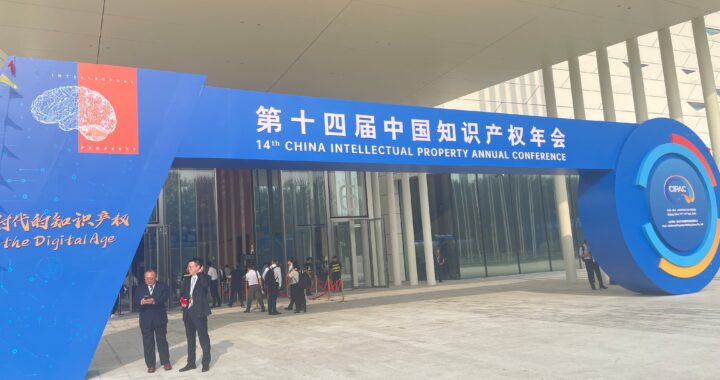
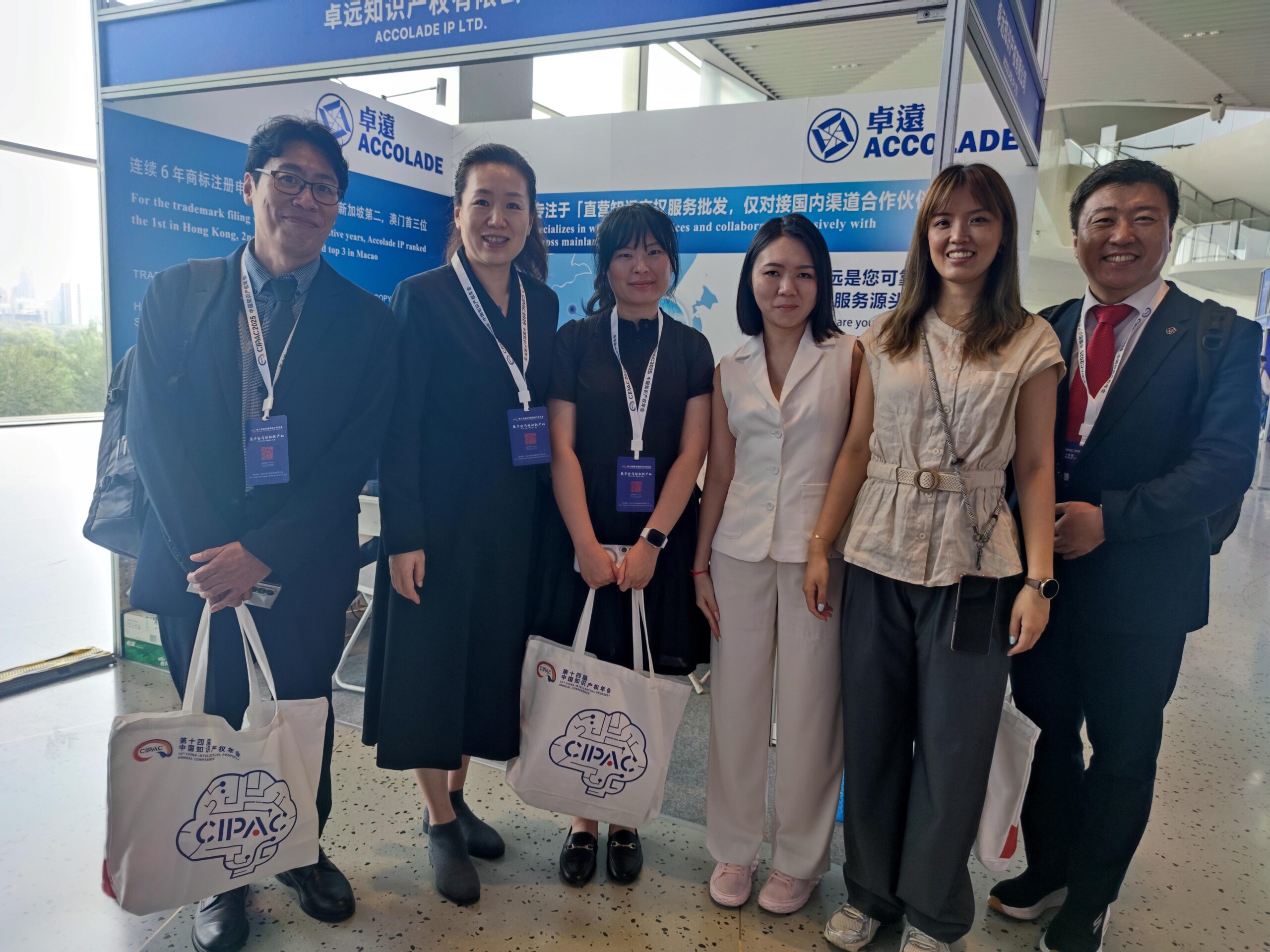
Accolade IP was honored to participate in the 14th China Intellectual Property Annual Conference (CIPAC 2025), held from 11 to 12 September 2025!

Accolade IP was honored to participate in the 14th China Intellectual Property Annual Conference (CIPAC 2025), held from 11 to 12 September 2025!

As one of the most influential IP events in China, CIPAC 2025 brought together government representatives, legal experts, enterprises, and IP service providers worldwide. The conference served as a key platform for knowledge exchange, policy discussion, and collaboration to advance global intellectual property protection.

Throughout the two-day event, Accolade IP engaged with clients, partners, and industry leaders, sharing our expertise in trademark registration, IP enforcement strategies, brand licensing, and portfolio management. We also exchanged valuable insights on the evolving IP landscape and its impact on businesses both in China and internationally.

Our participation at CIPAC further reinforced our commitment to delivering professional, reliable, and comprehensive IP services. We strive to empower innovators and enterprises by safeguarding their creations and maximizing brand value through robust IP solutions.

A sincere thank you to everyone who connected with us at CIPAC. We look forward to building stronger collaborations and exploring new opportunities together!

🗓️ Event Dates: 11 – 12 September 2025
🔗 Event Details: 14th China Intellectual Property Annual Conference
🔗 Accolade IP Official Website: https://www.accoladeip.com/hk/tc/

Accolade IP was honored to participate in the 2025 China International Trademark & Brand Festival (CITBF), held from 5 to 8 September 2025!

Accolade IP was honored to participate in the 2025 China International Trademark & Brand Festival (CITBF), held from 5 to 8 September 2025!

As one of China’s most influential trademark and branding events, CITBF gathered leading enterprises, brand owners, trademark agencies, and intellectual property (IP) professionals from around the world. The festival provided a vital platform to advance brand development, strengthen IP protection, and foster global cooperation.

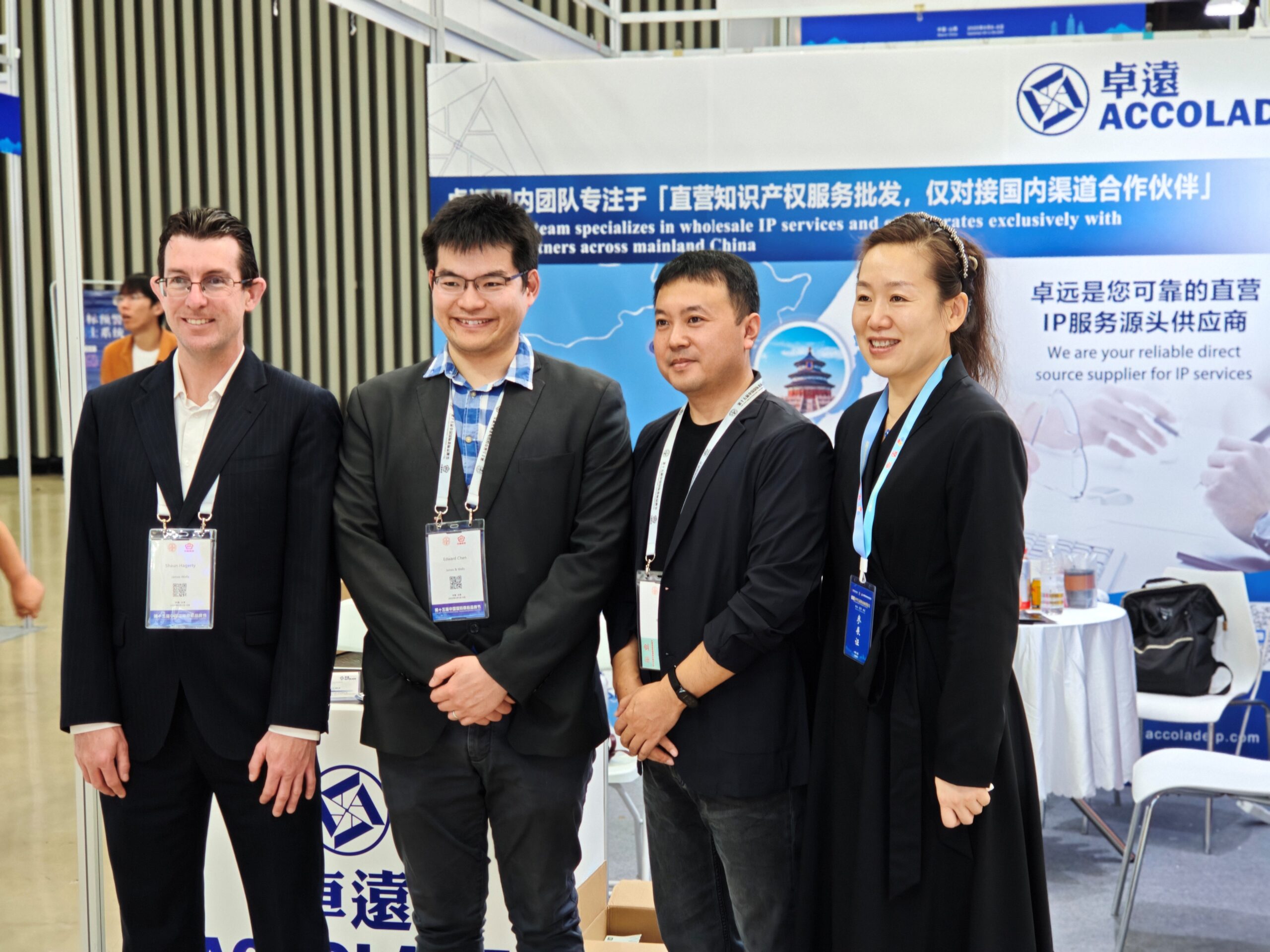
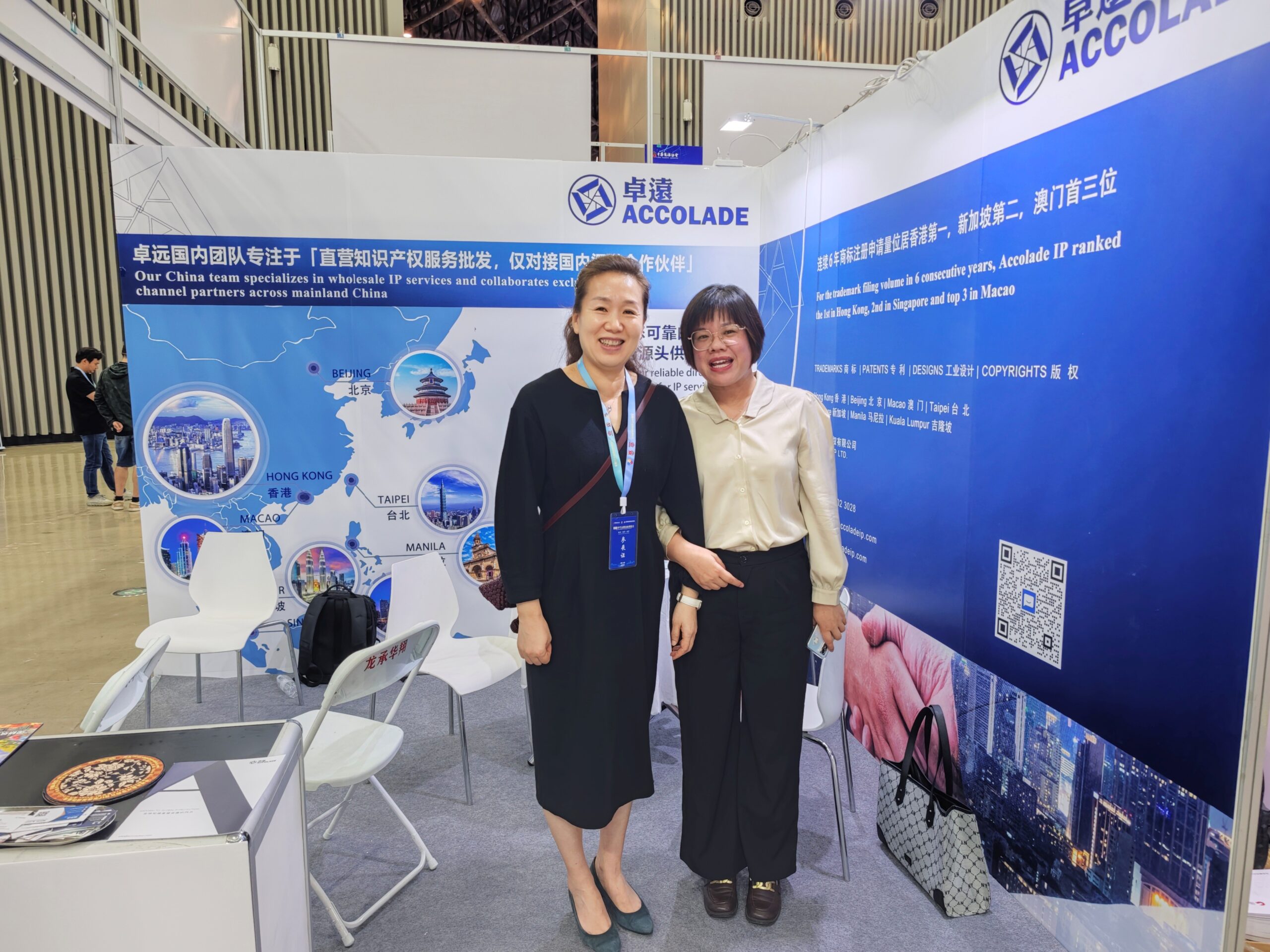
During the four-day event, Accolade IP welcomed visitors at Booth 243, where we engaged with clients, partners, and industry experts across diverse sectors. We shared our in-depth expertise in trademark registration, brand protection strategies, and IP portfolio management, while also exchanging insights on the latest trends shaping the trademark and branding landscape.

Our participation at CITBF further reinforced our commitment to helping businesses safeguard their intellectual property, enhance brand value, and explore opportunities for growth both in China and internationally. The festival enabled us to deepen connections with our valued clients and establish new collaborations with forward-thinking enterprises.

Looking ahead, Accolade IP remains dedicated to delivering professional, reliable, and comprehensive IP services — from trademark registration and enforcement to licensing strategies and copyright protection. We continue to empower innovators and brand owners to unlock greater potential through robust IP solutions.

A heartfelt thank you to everyone who visited our booth at CITBF. We look forward to continuing our journey together and building stronger, more resilient brands for the future!

📍 Booth Location: 243
🗓️ Event Dates: 5 – 8 September 2025
🔗 Event Details: 2025 China International Trademark & Brand Festival
🔗 Accolade IP Official Website: https://www.accoladeip.com/hk/tc/

Beginner’s Guide_What is a Patent

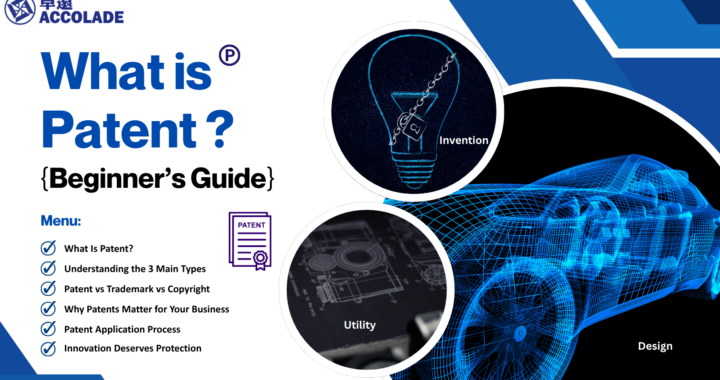
[Beginner's Guide] What Is a Patent?

Table of content:

  • What is a Patent?
  • Understanding the 3 Main Types
  • Patent vs Trademark vs Copyright
  • Why Patents Matter for Your Business
  • Patent Application Process
  • Innovation Deserves Protection

In today’s innovative-driven economy, a good idea can become your most valuable business asset. But without legal protection, that idea could be copied, commercialized by others, or even lost forever. That’s why understanding patents—and how they work—is essential for entrepreneurs, inventors, and businesses of all sizes. In this guide, we’ll walk you through the fundamentals of patents and break down the three main types you need to know.

A patent is a legal right granted by the government that gives the patent owner exclusive rights to make, use, sell, or license an invention for a limited period. In return, the inventor discloses the details of the invention to the public. In simple terms: a patent acts like a legal shield for your invention, giving you the power to stop others from using your idea without permission.


Types of Patents

Depending on what you’re trying to protect, you may apply for one of three main patent types:

1. Invention Patent

  • Best for: Technical innovations or new products/processes.
  • Protects novel, non-obvious technical solutions.
  • Requires substantive examination by a patent office.
  • Valid for 20 years (with annual maintenance fees).
  • Covers inventions like: New Medications, AI Algorithms and Autonomous Driving Systems. If your invention involves a new method or technical improvement, this is likely the right type for you.

2. Utility Model (Short-Term Patent)

  • Best for: Practical improvements to product design or structure.
  • Often referred to as a "minor invention" or "technical enhancement."
  • Usually does not require substantive examination, so the process is faster.
  • Valid for 10 years, depending on the jurisdiction.
  • Covers ideas like: Improved Bottle Caps, Adjustable Table Legs and Ergonomic Tool Handles. Ideal for SMEs or startups seeking fast, affordable protection for improvements.

3. Design Patent

  • Best for: Unique product appearance or visual design.
  • Protects the look and feel of a product (shape, lines, color).
  • Does not cover functionality or internal structure.
  • Valid for 10–15 years, depending on region.
  • Used for: Phone Casing, Fashion Accessories and Appliance Exterior Design. Combine design patents with trademarks for full product identity protection.

Patent vs Trademark vs Copyright

Many people confuse patents with trademarks or copyrights. Here is a simple comparison:

IP Type

What It Protects

Example

Validity

Patent

Technical Invention

Vaccine formula, AI tech

10–20 years

Trademark

Brand identity

Apple®, Nike™

Renewable forever

Copyright

Creative works

Music, art, code

Life + 50–70 years

Patents are mainly aimed at technology and product innovation and are one of the most common technological assets of enterprises.


Why Patents Matter for Your Business

Here’s how companies use patents strategically:

  • Licensing: Generate income from third parties using your tech
  • Investment: Strong IP portfolios attract serious investors
  • Barrier to Entry: Block competitors from using similar tech
  • M&A: Valuable IP can increase acquisition value
  • Cross-Licensing: Useful for collaboration or avoiding legal conflicts

Patent Application Process

STEP 1 Patent Search & Evaluation

- Check for similar existing patents.

- Evaluate whether your idea is patentable.

STEP 2 Drafting & Filing

- Include technical descriptions, drawings, and claims.

- Professional drafting is recommended to ensure clarity and strength.

STEP 3 Examination

- Formality check (all types).

- Substantive examination (for invention patents only).

STEP 4 Publication & Grant

- Patent is published.

- Public has a chance to oppose.

- If no opposition, patent is granted.

STEP 5 Maintenance & Enforcement

- Pay annual fees.

- Monitor and act against infringement.

If you're building something new, protect it before you show it to the world. Filing a patent isn’t just about legality, it’s a business strategy. Whether you're an individual inventor or a growing company, understanding your IP options puts you one step ahead.